On this page
Quick answer
On a typical tattoo pain chart, the outer arm, forearm, outer thigh, calf and upper back hurt least. The ribs, spine, sternum, armpits, knees, elbows, shins, feet, hands, neck and head hurt most. Bony areas with thin skin and many nerve endings sting more. Pain varies a lot between people, so treat any rating as a rough guide.
Choosing a placement is partly about looks and partly about pain. This tattoo pain chart shows where tattoos usually hurt most and least, based on what people commonly report and what health sources such as Healthline describe. It is not a scientific scale. Instead, think of it as a map of where most clients wince and where they scroll their phones.
We also cover why some areas hurt more, what changes pain on the day, and how to cope, including what to know about numbing cream. If this is your first tattoo, our first tattoo guide for Malaysia covers the whole process, from booking to healing.
Tattoo pain chart: body map
The map below shades each zone by typical reported pain. Light gold means lower, mid gold means medium and solid gold means higher. Of course, your own experience may differ from any tattoo pain chart.
Tattoo pain by placement (1–10)
This table gives a typical reported range on a 1–10 scale, where 1 is barely noticeable and 10 is the worst. These ranges come from common client reports and the patterns Healthline describes. They are not the result of a study, so use them only to compare spots.
| Placement | Typical pain (1–10) | Why |
|---|---|---|
| Outer upper arm and shoulder | 2–4 | Muscle and fat cushion the needle; few nerve endings |
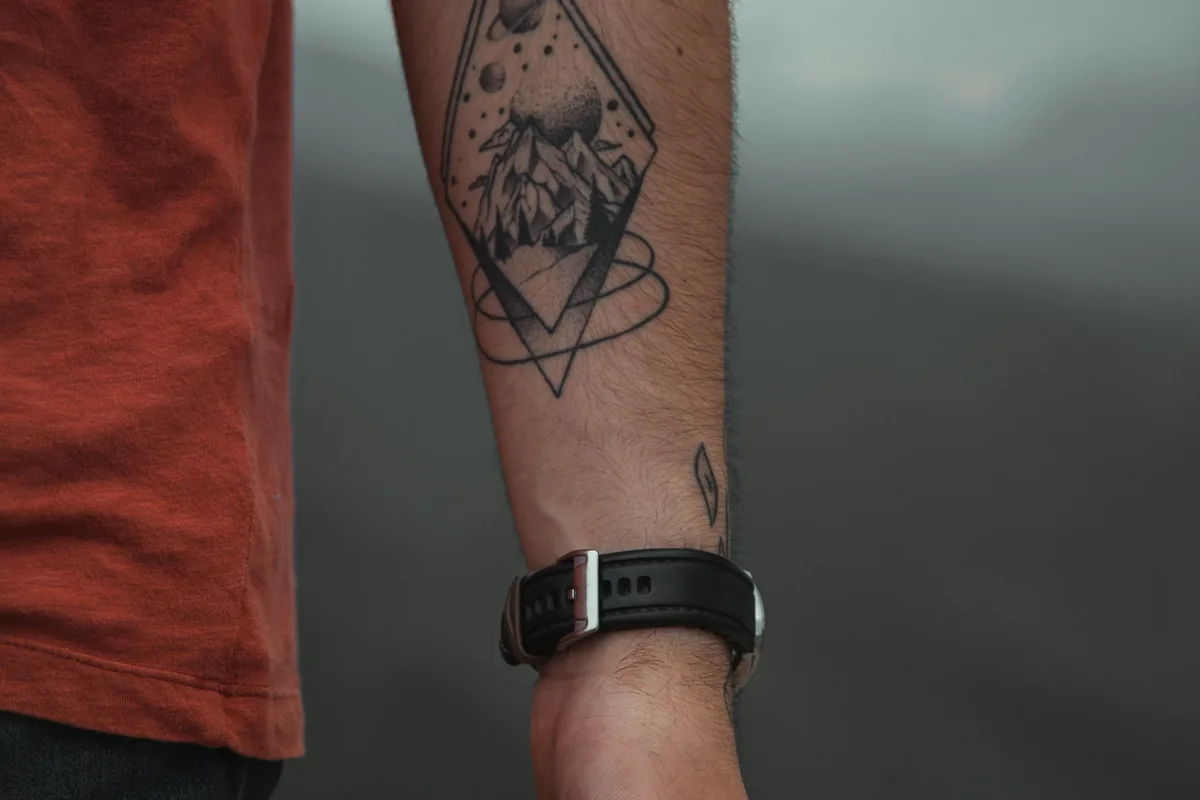
| Outer forearm | 3–4 | Thick skin and muscle; easy to sit still |
| Outer thigh | 3–4 | Plenty of muscle and fat |
| Calf | 3–5 | Padded by muscle, though the back of the knee nearby is tender |
| Upper back | 3–5 | Thick skin; pain rises near the spine and shoulder blades |
| Chest | 5–7 | Moderate over muscle; sharper near the collarbone and sternum |
| Stomach | 5–7 | Soft skin that stretches; varies with body shape |
| Inner bicep | 5–7 | Thin, sensitive skin |
| Hip and buttocks | 5–7 | Hip bone is sharp; buttocks are padded |
| Wrist, hand and fingers | 6–8 | Thin skin over bone and tendons; many nerve endings |
| Neck | 7–8 | Thin skin and many nerves |
| Shin | 7–8 | Bone sits just under the skin |
| Elbow and knee | 7–9 | Bone directly under the skin; vibration |
| Ankle and foot | 7–9 | Very thin skin over bone; many nerve endings |
| Ribs and sternum | 7–9 | Thin skin over bone; breathing moves the area |
| Spine | 7–9 | Bone close to the surface; vibration |
| Head and face | 7–9 | Thin skin over the skull; loud vibration |
| Armpit and groin | 8–10 | Very sensitive skin with dense nerve endings |
Why some areas hurt more
Three things explain most of the tattoo pain chart. First, bone. When there is little fat or muscle between the skin and the bone, the needle's vibration travels into the bone. That is why ribs, shins, elbows and the spine feel so intense. Second, nerve endings. Areas such as the hands, feet, armpits and inner thighs carry more of them, so they register pain more sharply. Third, skin thickness. Thin, soft skin, like the inner arm or the neck, is more sensitive than the thick skin on the outer thigh.
Healthline sums this up neatly: the most painful spots have the least fat, the most nerve endings and the thinnest skin. In contrast, the least painful spots have more fat, tighter skin and fewer nerve endings.
What does tattoo pain feel like?
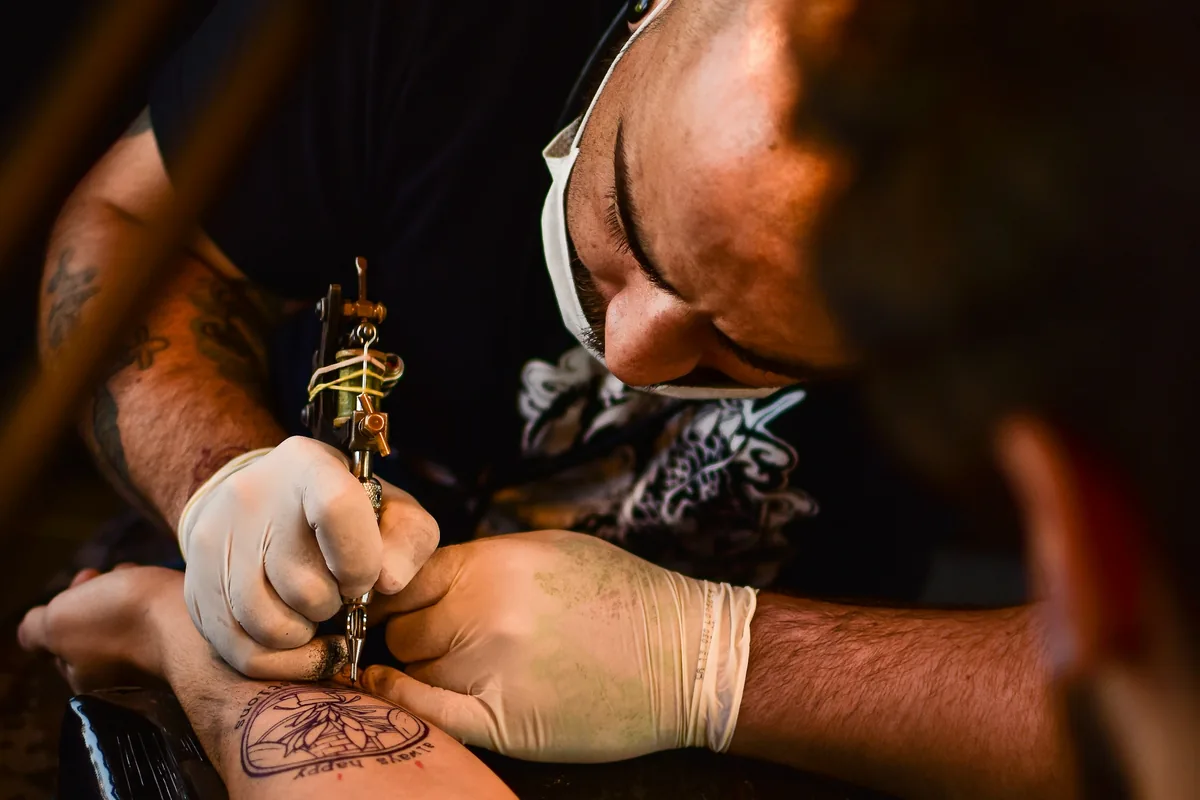
Most people describe a scratching or stinging sensation during line work, and a duller, burning ache during long shading. Over bone, it often feels like a strong vibration. Typically, the first ten minutes feel the sharpest, then the body adjusts. However, after a few hours the skin gets sore again, so long sessions can feel worse towards the end.
Factors that change pain on the day
Your placement sets the baseline, but other factors move it up or down. Here are the ones that matter most:
- Session length. Pain builds with time. Two short sessions often feel easier than one long one, which is one reason artists split big pieces such as a sleeve into several days.
- Experience. Healthline notes research suggesting people who already have tattoos may have a higher pain threshold. So your second tattoo may feel easier.
- Sleep. A tired body copes worse. Aim for a full night's sleep before your appointment.
- Food and water. Eat a proper meal beforehand and drink water. Low blood sugar can make you feel faint.
- Alcohol and caffeine. Healthline advises avoiding alcohol and limiting caffeine beforehand. Alcohol can also make you bleed more, which makes the artist's job harder.
- Fasting. During Ramadan, an empty stomach and mild dehydration can make a session harder. If you are fasting, consider booking after Hari Raya, or ask your artist about an evening slot after buka puasa.
- Menstrual cycle. Some people say they feel more sensitive to pain just before or during their period. The evidence is limited, so simply notice your own pattern and book around it if it helps.
- Stress. Anxiety can make pain feel sharper. Therefore, a calm studio and an artist who explains each step really help.
How to cope with tattoo pain
Most people handle tattoo pain better than they expect, wherever they sit on the chart. These simple steps help:
- Pick a lower-pain placement firstFor a first tattoo, choose a spot on the low end of the tattoo pain chart, such as the outer arm or forearm. Our small tattoo ideas include many designs that suit these spots.
- Prepare your bodySleep well, eat a full meal and drink water. Also skip alcohol the night before.
- Breathe slowlySlow, steady breathing helps you stay still and relaxed. Holding your breath tends to make pain feel worse.
- Bring a distractionEarphones, a podcast or a chat with your artist help time pass. Many artists are fine with music, but ask first.
- Ask for breaksA short break to stretch and drink something is normal. Just tell your artist before you move.
- Bring a snackFor sessions longer than two hours, pack something sweet in case you feel light-headed.
Tattoo numbing cream: what to know
Numbing creams usually contain lidocaine, a local anaesthetic that blocks nerve signals in the skin. Some people find they take the edge off, especially for painful spots. However, always ask your artist before you use one. Some artists prefer not to work on numbed skin, and some studios supply their own product. Others simply want to know what you put on.
Use any lidocaine product only as directed. Cleveland Clinic warns against using it more often than directed. It also lists serious reactions such as rash, hives, swelling of the face and blue lips or skin, which need urgent care. A thick layer over a large area raises the risk, so check with a pharmacist or doctor if you plan to numb a big piece. Also tell your artist if you have any allergies.
Painkillers such as aspirin can increase bleeding. Ask a pharmacist before you take anything on the day, and tell your artist about any medication.
Does style change the pain?
Yes, to a degree. Fine-line work uses small needle groupings and often feels like sharp scratching. Heavy blackwork and colour packing take longer, so the skin gets sorer. Traditional Borneo hand-tapping feels different again; our Borneo hand-tap tattoo guide explains how. To compare looks first, browse our guide to tattoo styles.
Your spot on the tattoo pain chart also affects price and planning. A painful placement may need more breaks, and a big piece may need more sessions. Our tattoo price guide for Malaysia explains how time drives cost. Afterwards, sore spots need gentle care, so read our tattoo aftercare guide before your appointment.
Frequently asked questions
What is the most painful place to get a tattoo?
Most tattoo pain charts put the ribs, armpits, spine, sternum, knees, elbows, feet and groin at the top. These spots have thin skin, bone close to the surface or dense nerve endings. Even so, people rate them differently, so use any tattoo pain chart as a rough guide.
How painful is a tattoo on a scale of 1–10?
Most people rate a tattoo on a fleshy area such as the outer arm at about 2–4. In contrast, bony or sensitive spots such as the ribs or feet often reach 7–9. These are typical reported ranges, not scientific measurements.
Where is the least painful place to get a tattoo?
The outer upper arm, shoulder, outer forearm, outer thigh, calf and upper back usually hurt least. They have more muscle or fat and fewer nerve endings, so they suit a first tattoo.
Does tattoo numbing cream work?
Lidocaine creams can reduce the sting for some people. However, ask your artist first, follow the directions closely and avoid covering large areas without advice from a pharmacist or doctor.
Does a tattoo hurt more for a first timer?
It can feel more intense because you do not know what to expect. Healthline notes research suggesting people with tattoos may tolerate pain better. So a second tattoo often feels easier.
Do fine-line tattoos hurt less?
Often, yes, because sessions are shorter. However, fine-line work still feels sharp, and placement matters more than style. A fine-line rib tattoo will still hurt more than a bold forearm piece.