On this page
- What makes a fine line tattoo different
- Why fine lines blur: ink spread over time
- Does a fine line tattoo fade faster in Malaysia's sun?
- Where fine line tattoos last, and where they fade fast
- Fine line tattoo pros and cons: durability and more
- Why some studios refuse micro and white tattoos
- Touch-ups for fine line work
- How to brief your artist for a fine line tattoo that ages well
- Ask to see healed fine line photos
- Where to get a fine line tattoo in Malaysia
- Frequently asked questions
Quick answer
Does a fine line tattoo fade? Yes, every tattoo softens with time, and thin lines show it sooner. Ink slowly spreads under the skin, sun breaks it down, and busy areas like hands and feet fade fastest. A fine line tattoo lasts best with slightly bolder lines, open spacing, a low-friction placement, daily sunscreen and a touch-up when it needs one.
A fine line tattoo uses very thin needles to draw delicate lines, small script and soft shading. It is one of the most requested styles in Malaysian studios, and it photographs beautifully when fresh. However, the photos you see online are often taken on the day of the session. This guide explains how the style ages, why some artists turn down certain designs, and what you can do to keep your lines clean for years.
What makes a fine line tattoo different
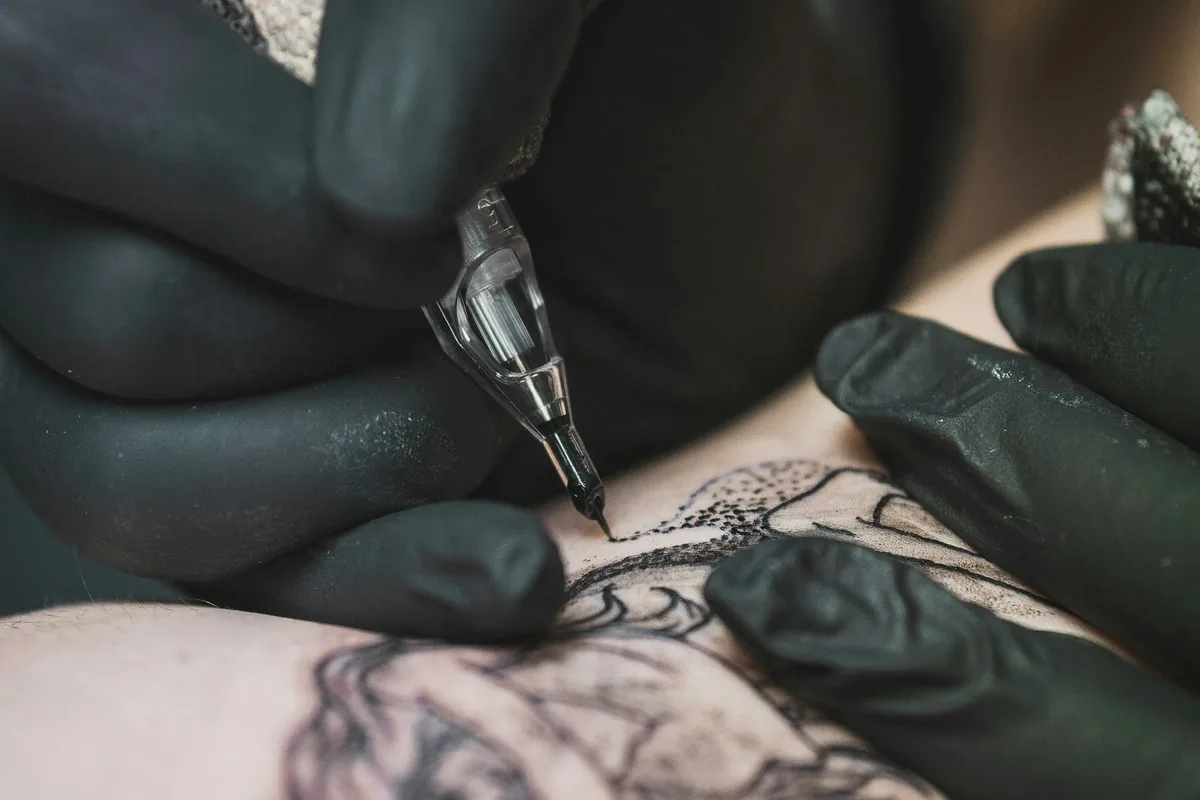
Most tattoos use groups of needles to pack ink into bold outlines. By contrast, fine line work often uses a single needle or a very small grouping. The result is a light, drawn look, closer to a pencil sketch than a comic panel. That is why the style suits florals, constellations, small script and minimalist symbols.
The trade-off is simple. A thin line holds less ink, so it has less room to soften before it looks faint or fuzzy. In addition, the artist needs a very steady hand, because a line that goes too deep can blow out, and one that goes too shallow can fall out during healing. For a broader view of the style, see the fine line section of our tattoo styles guide.
Why fine lines blur: ink spread over time
Tattoo ink does not sit still. Instead, immune cells in the dermis called macrophages swallow the pigment and hold it in place. A 2018 study in mice found that these cells capture, release and recapture the ink in cycles as old cells die and new ones take over. That process explains why tattoos last for life. It also helps explain why edges slowly drift and soften.
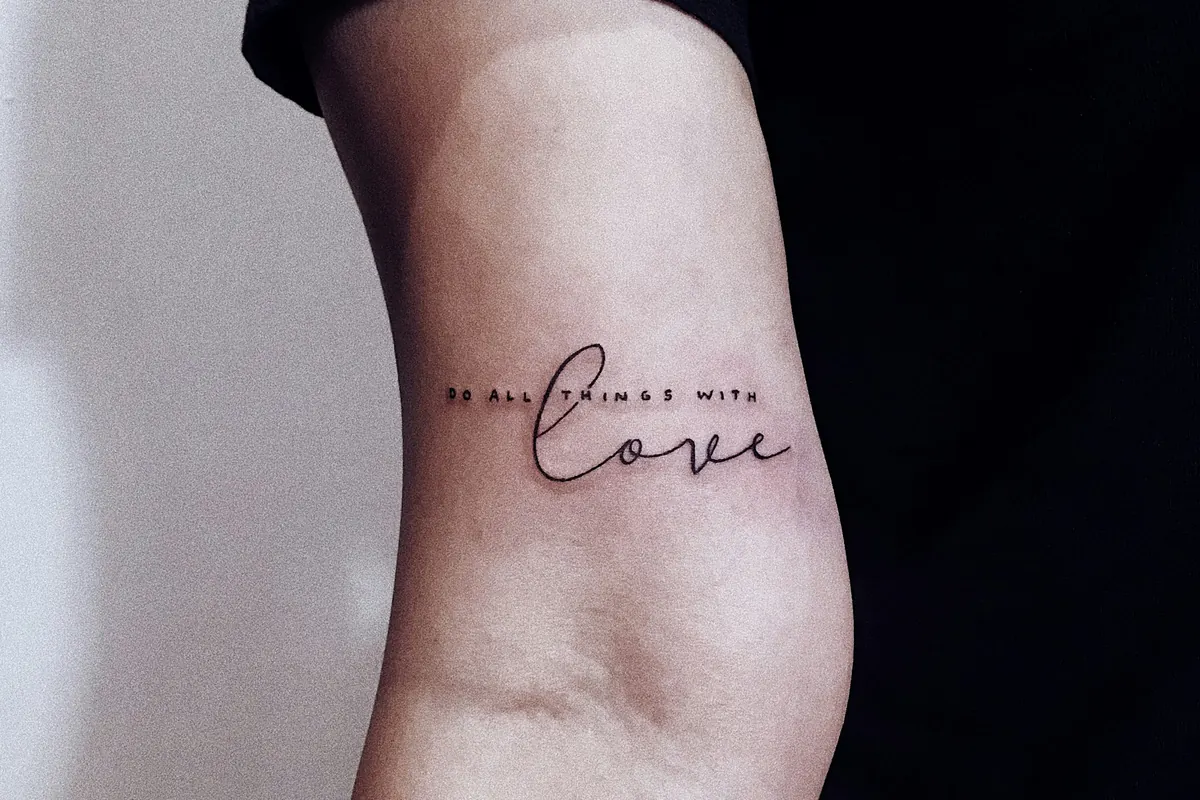
On a bold traditional piece, a little drift barely shows. On a hairline drawing, though, the same spread can make two close lines merge. So the real risk with a fine line tattoo is not that it vanishes. Rather, small details close up, and tiny letters start to blur together.
Line weight and spacing
Two design choices matter most. First, line weight: a line that is a touch thicker than the thinnest possible will usually read better over time. Second, spacing: leave clear skin between lines, petals and letters, so there is room for each one to soften. As a rule, the smaller the design, the fewer details it can carry. A 2 cm piece with ten words will not age like a 6 cm piece with three.
Does a fine line tattoo fade faster in Malaysia's sun?
Sun is the biggest fading factor you can control. The Cleveland Clinic notes that UV rays can make ink fade more quickly and look "washed out". Malaysia sits just north of the equator, so strong sun is a year-round fact, not a summer problem. In practice, a fine line tattoo on an exposed forearm will usually fade faster than one on the upper back.
Therefore, sun care is part of owning the style. Keep a fresh tattoo out of the sun until it heals, and only use sunscreen on it once the skin has fully closed. After that, use a broad-spectrum sunscreen on exposed tattoos every day, and reapply after swimming or heavy sweating. Our guide to healing in Malaysian heat and humidity covers the first weeks in detail.
Where fine line tattoos last, and where they fade fast
Placement changes everything. Skin on hands, fingers and feet renews fast, flexes all day and gets washed and rubbed constantly. As a result, fine lines there tend to fade or spread much sooner. Meanwhile, areas with stable, less exposed skin hold detail longer.
| Placement | Typical ageing | Why |
|---|---|---|
| Upper arm, shoulder, upper back | Good | Stable skin, often covered from the sun |
| Inner forearm, thigh | Good to fair | Low friction, but forearms see a lot of sun |
| Ribs, collarbone | Fair | Thin, stretchy skin; harder for the artist |
| Wrist, ankle | Fair to poor | Constant movement, straps and sun |
| Fingers, hands, feet | Poor | Fast skin turnover, washing and friction |
If you love the idea of a finger tattoo, go in knowing you may need regular touch-ups. For safer spots and size ideas, browse our minimalist tattoo ideas and small tattoo ideas.
Fine line tattoo pros and cons: durability and more
Pros
- Delicate, elegant look that suits small and hidden placements
- Usually quicker sessions than bold or shaded pieces
- Often feels lighter than heavy packing, though pain varies by spot
- Easy to add to later as part of a patchwork
Cons
- Lines soften and fine details can blur within years
- Fades faster in the sun and on hands, fingers and feet
- Needs a highly skilled artist; mistakes show clearly
- More likely to need touch-ups over its life
On pain, see our tattoo pain chart for how placement changes the feel.
Why some studios refuse micro and white tattoos
Some experienced Malaysian artists simply say no to the tiniest work. For example, Lynda Chean of Pink Tattoos in Bangsar told Vulcan Post that she turns down micro and white tattoos because they "don't heal up well". Daily Vanity also notes that the studio does not do them.
That is not snobbery. Instead, it is a judgement about how the piece will look after healing. White ink often fades towards the skin tone, and micro designs have so little space that details close up. So if an artist suggests going bigger or simpler, take it as useful advice, not an upsell.
Touch-ups for fine line work
A touch-up after healing is normal with fine line, because some thin lines can heal patchy. Many studios offer a free touch-up within a set window. For instance, Borneo Ink in Mont Kiara offers free touch-ups for five years and then charges RM50 to RM100. Other studios, such as Tattoo Things in Johor Bahru, say poor aftercare can void a free touch-up. Policies vary, so ask before you book.
Later in life, a fine line tattoo may also need a refresh to sharpen faded lines. Our guide to tattoo touch-ups in Malaysia explains timing, costs and what an artist can and cannot fix.
How to brief your artist for a fine line tattoo that ages well
- Bring references, not a copyShow two or three images you like, then let the artist adapt them to your skin and size.
- Ask about sizeAsk, "What is the smallest size that will still read in ten years?" Then go with that or slightly bigger.
- Discuss line weightAsk whether a slightly bolder outline would help the design age better.
- Simplify the detailsCut tiny shading, very small text and crowded lines where possible.
- Pick a stable placementChoose an area with little friction and less sun, such as the upper arm or back.
- Confirm the touch-up policyAsk how long free touch-ups last and what aftercare the studio expects.
Ask to see healed fine line photos
Fresh photos only show half the story. Healed photos, ideally a year or more old, show how an artist's lines settle. So ask for them, or look for "healed" highlights on the artist's Instagram. If an artist has none, that is worth noting. Our guide on how to choose a tattoo artist lists more questions for your consultation.
Where to get a fine line tattoo in Malaysia
Several Malaysian artists and studios focus on the style. In the Klang Valley, press coverage highlights Tsuki in Ara Damansara, Sugee Wee in Petaling Jaya, Blanc Art Studio in Bangsar and Cheer Ink in Kepong. In Kuching, Space Studio focuses on fine line florals, constellations and script. For full profiles, see our list of the best tattoo artists in Malaysia.
On price, we found no published RM premium for fine line work. Instead, size, detail and artist seniority set the price. Small tattoos at Malaysian studios usually start from about RM150 to RM350, and Space Studio publishes fine line pieces from RM400 to RM2,500 and up. Always confirm a quote before booking, and see our small tattoo price guide for more ranges.
Frequently asked questions
Do fine line tattoos fade faster?
Usually, yes. Thin lines hold less ink, so softening and sun fading show sooner than on bold work. Placement, sun care and the artist's skill make a big difference.
How long does a fine line tattoo last?
It lasts for life, like any tattoo, but its crispness changes. Many fine line pieces look softer after a few years. Good placement, sunscreen and touch-ups keep them readable for much longer.
Do fine line tattoos blur?
Over time, ink spreads slightly under the skin. On fine line work, that can make close lines or tiny letters merge. Open spacing and slightly bolder lines reduce the effect.
Is fine line tattooing harder for the artist?
Yes. The artist needs precise depth and a steady hand, because thin lines show every wobble. That is why healed portfolios matter so much for this style.
Where should I not get a fine line tattoo?
Fingers, hands and feet fade fastest because of skin turnover and friction. Wrists and ankles are also tricky. The upper arm, shoulder and back tend to age best.
Do fine line tattoos need touch-ups?
Often, yes. One touch-up after healing is common, and some pieces need a refresh years later. Check your studio's free touch-up window before you book.